The civic theatre, the festival in the park, and the procurement file.
What a principal authority needs from a ticketing platform is not just a checkout. It is accessible-seating tools, an audit trail, role-based access, a data processing agreement, and a way to buy that fits the council's procurement and value-for-money duties. This page is honest about where Seaty helps and where the responsibility stays with the council. The accessibility, procurement, VAT, and data protection points on this page are general information, not legal or tax advice, so check the current position and take your own advice before acting. For the rules in full, and the detailed disclaimer, read the guide to ticketing for UK councils.
Council-run venues and a full events programme.
It is free on the bookings the box office takes itself in cash or by bank transfer, with a single per-transaction fee only on online card payments. No subscription, no setup fee, and no contract, which makes a small pilot easy to stand up and easy to stop.
A box office for the council-run theatre or arts centre.
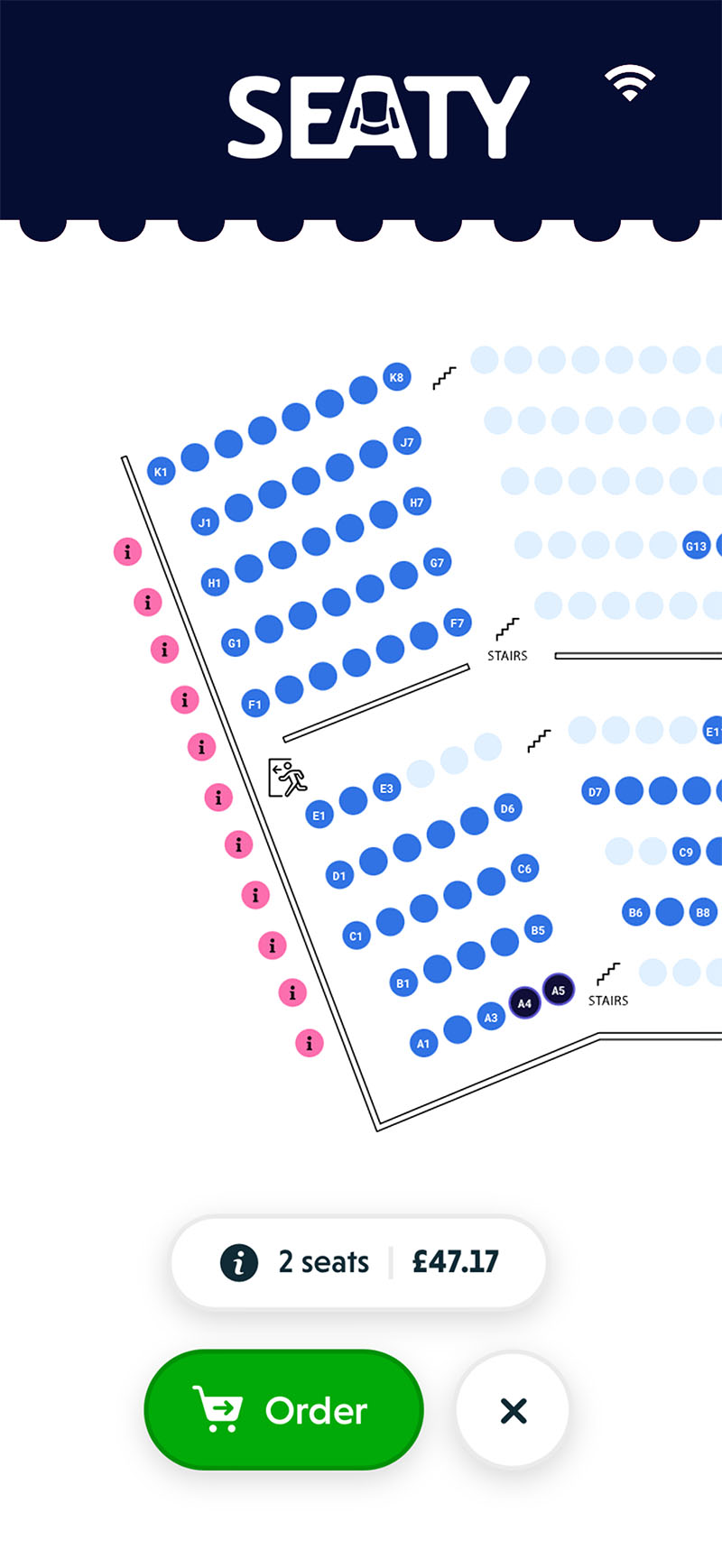
A council-owned theatre or arts centre runs like any other venue, with the box office open most days and a programme that mixes the council's own productions with visiting companies and hires. Build the auditorium once, mark the restricted-view and accessible seats, and reuse the plan across the season. The team sees sales, bookings, and attendance in one place, and can pull the figures the cultural services report needs.
- Reserved seating that mirrors the auditorium, reused across the season
- Restricted-view and accessible seats marked on the plan
- In-house productions, visiting companies, and hires in one programme
- Daily box office tools with order taking, balance tracking, and door lists
- Reporting the cultural services team can take to committee
Festivals, markets, and fireworks across the borough.
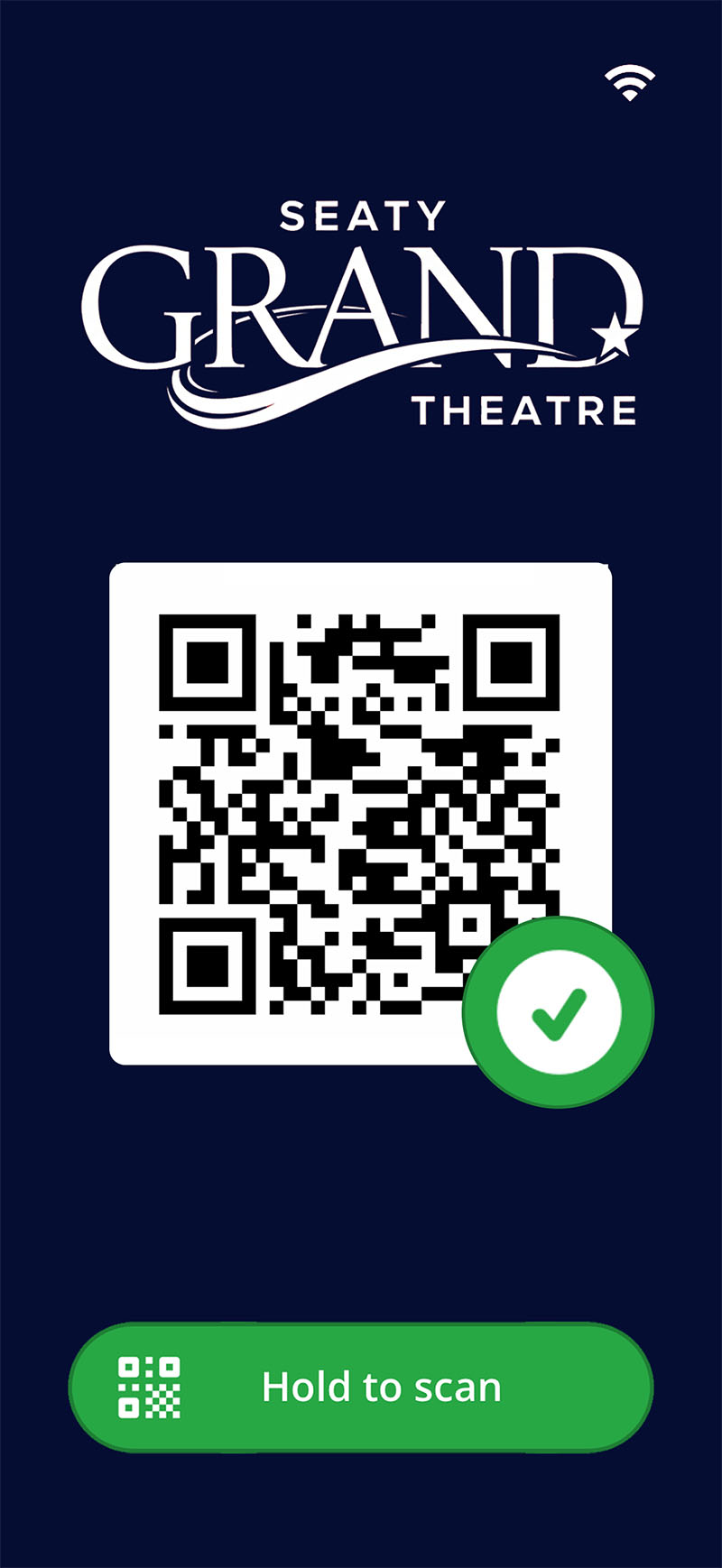
The events team's calendar is outdoor cinema, a food festival, a Christmas market, a fireworks display in the park. Some are free, some are ticketed, all of them are in places with no reliable signal. Sell an advance presale online, then scan on the gate offline with the door list cached in advance. Free community events carry no per-reservation fee, and cash on the gate reconciles cleanly for finance afterwards.
- Offline scanning for parks and outdoor sites with no signal
- Free community events with no fee on free reservations
- Advance online presale alongside cash on the gate
- Live attendance counts for safety advisory group reporting
- Merchandise and programmes sold alongside tickets in one order
Accessibility is a legal duty, and it stays with the council.
What Seaty provides, and what remains yours

Under the Public Sector Bodies (Websites and Mobile Applications) Accessibility Regulations 2018, a council must meet the WCAG 2.2 AA standard and publish an accessibility statement, and it remains legally responsible for accessibility even where it uses a third-party supplier. We will not pretend a platform removes that duty. What Seaty provides is the accessible-seating side of the job: wheelchair and companion spaces marked on the plan, and access needs captured on the booking. Make accessibility part of your request for quotation, and ask any supplier, including us, for its accessibility information.
- Wheelchair and companion seats marked directly on the seating plan
- Mobility, hearing-loop, and access needs collected on the booking
- Buyers can complete a booking without creating an account
- The council's WCAG 2.2 AA duty and accessibility statement stay with the council
- See the councils guide for how the duty works alongside a supplier
Scoping a pilot for your venue or events team?
Data protection, permissions, and an audit trail.
The governance a council has to be able to show

A council is the data controller for its residents' and customers' data, and a platform acting on the council's instructions is usually a processor, which under Article 28 of the UK GDPR needs a written contract. Seaty publishes a data processing agreement. Role-based permissions let the box office, the events team, the finance team, and the venue manager each have the access their role needs and no more, and every order, refund, and change is logged for internal audit and external scrutiny.
Data processing agreement
A published DPA covering the Article 28 processor relationship for the council as controller
Role-based access
Box office, events, finance, and venue roles each see only what they need
Audit trail
Every order, refund, and change logged for internal audit and external scrutiny
No lock-in
No subscription and no contract, so a pilot is genuinely a pilot
Why a local authority needs more than a generic ticketing platform.
Enterprise venue platforms are priced and contracted for large commercial operators, with annual licences and onboarding fees that are hard to justify for a single civic theatre or a seasonal events programme. Generic consumer platforms go the other way: they charge a fee on every reservation, including the free community events a council runs precisely because they are free, and they are built marketing-first, not governance-first.
A council needs the governance plumbing as standard: a data processing agreement, role-based access, an audit trail, and accessible-seating tools, bought in a way that fits its procurement and value-for-money duties. Seaty provides that plumbing, is honest that the council's own accessibility and data duties remain the council's, and costs nothing to pilot. The detail, with sources, is in the guide to ticketing for UK councils.
Many of these events are run jointly with, or on behalf of, the most local tier of government. For the town and parish council side, see Seaty for town and parish councils.